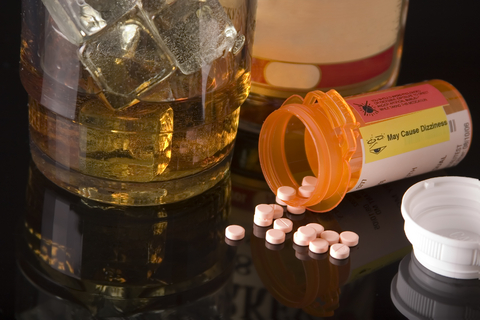

Are You Prepared for the Holiday Blues?

During November, December and January, the holiday blues can affect many people causing them to self-medicate or turn to drugs and alcohol for relief. The odds of having drugs in your establishment are not only greater during the holidays, but also with the rise in non-medical use of prescription drugs. If you work in or run an establishment that serves or sells alcoholic beverages for on-premise or off-premise consumption, you should always take precautions to safeguard your company, yourself and your community. 

As you know, drugs bring unwanted trouble into an establishment, such as: negative press/media, violence, fights, overdoses, higher levels of intoxication, etc. Because the holiday months are peak periods for drug and alcohol use, you should pay even more attention and observe what is going on around you.

Illicit drug use is widespread. Here are some national and Nevada specific stats that are alarming and we’ve included links to pictures of these drugs so that you can identify them when you see them.
  • In 2009, an estimated 21.8 million Americans aged 12 or older were current (past month) illicit drug users, meaning they had used an illicit drug during the month prior to the survey interview. [2009 National Survey on Drug Use and Health (NSDUH)] 
  • Nevada ranks 4th in the nation in non-medical use of prescription pain relievers in people ages 18 to 25. [2006 National Survey on Drug Use and Health (NSDUH)]
  • The most commonly misused pain relievers are: Vicodin (acetaminophen and hydrocodone), OxyContin (oxycodone), Tylenol 3 (acetaminophen and codeine phosphate), and Percocet (oxycodone and acetaminophen). 
  • In the years 2002 through 2006, Nevada ranked highest in the nation aged 12 or older reporting methamphetamine use in the past year. [2006 National Survey on Drug Use and Health (NSDUH)] 
  • Marijuana was used by 76.6 percent of current illicit drug users and was the only drug used by 58.0 percent of them. [2009 National Survey on Drug Use and Health (NSDUH)] 
  • In August 2007, an NSDUH report on worker substance use indicated that 28% of full time workers (age 18 to 64) in the accommodations and food services, arts and entertainment industry had used illicit drugs in the past month.  [2007 National Survey on Drug Use and Health (NSDUH)] 
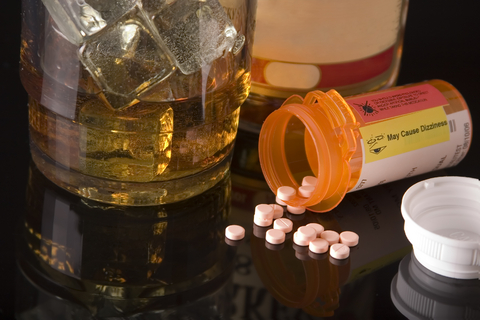
So, how can you keep drugs out without having to search and frisk everyone who comes through your doors?

  • Partner with local authorities and train your staff—Local law enforcement are your partners and can help you provide training to your employees.
  • Communicate expectations—Make sure that your new employee orientation and employee handbook covers ways to handle drugs in your establishment. Clearly state that drug use is not tolerated and give employees information about who to notify when someone (whether a guest or a colleague) is using illegal drugs on the establishment’s property.
  • Increase your security staff—Your security staff should be present, visible to your guests and well-trained in detecting the behaviors and indications of drug use.
  • Estimate BAC—Remember to calculate the BAC (Blood Alcohol Concentration) of your guests. If you notice that someone is showing the effects of the alcohol sooner than you expected, then you should be cautious as they may be taking prescription pain relievers or using some other substance.
  • Encourage reporting of suspicious behavior—You need the eyes and ears of your employees if you are going to keep drugs out of your establishment. Heighten their awareness and give them observation tips so that they are monitoring their surroundings and reporting suspicious or unusual behavior to security or management. Don’t forget to reward your employees for reporting concerns. What gets rewarded, gets repeated.
  • Post information about illicit drug use at your establishment—Hang posters about drug use and abuse and your company’s policies for illicit drug use at your establishment in restrooms and employee break rooms. 

What measures do you take to keep drugs out of your establishment?

Resources 

http://www.methresources.gov/nv.html 

http://www.oas.samhsa.gov/2k7/industry/worker.htm

http://mhds.nv.gov/dmdocuments/SANSDUHStateRankings.pdf

© 2010 National Hospitality Institute®, TAM® of Nevada

Big Holiday Parties Are Upon Us!

Everyone is getting revved up for the holiday season and big holiday parties! What does that mean to you as a server, seller, security officer, operator or establishment owner?  You need to be prepared.

  1. Servers, sellers , managers and owners – Make sure your alcohol education card (TAM Card®) is current and in your possession. If your TAM Card® has expired, make sure you retake the training and get your new card before the busiest part of the holiday season is here.
  2. Servers — Be on your toes and observe those in your establishment. Watch how much you are serving and how often. Do the math and keep track of estimated Blood Alcohol Concentration (BAC) levels. Be sure that your guests are getting enough food and water while they are enjoying their alcoholic beverages. If one of the guests in the group you are serving becomes intoxicated, make sure that they have a safe ride home. Designated driver services and taxis can help get people home safely and without risk to themselves or others.
  3. Sellers — When you have customers coming into your retail store to purchase alcohol, make sure that they are not already intoxicated when you sell to them. Also, inform your employees to beware of potential third party sales and keep an eye out for any minors that are hanging out in your parking lot and approaching patrons about buying them liquor.
  4. Security Officers — Big party nights equal higher energy levels, increased levels of excitement and overindulgence. Be visible and interact with your establishment’s guests to defuse potential issues. Be extra diligent when checking IDs to ensure that you keep the underage out of your 21 and over establishment!
  5. Operators and Owners — Safeguard your establishments by letting your staff know your expectations for properly handling certain situations, like when they need to cut people off and what to do with minors who are trying to enter your establishment. With extra law enforcement out and about over the holidays, you want to make sure that all your servers, sellers and security staff have their alcohol education cards (TAM Cards®) on them at all times.

Guests are also responsible for keeping themselves in check. However, we all know that alcohol lowers inhibitions and affects good judgment, which means there are times when you need to step in and take control of certain situations.

Remember, hospitality is all about creating a fun experience and maintaining a safe environment for your guests and patrons. To achieve these goals, you may have to cut someone off or refuse to serve or sell to a guest because their behavior is negatively affecting the experience for others.

We would love to hear from you! What recommendations do you have for keeping the holidays fun and safe for your guests this season?

© 2010 National Hospitality Institute®, TAM® of Nevada

Share the Vegas Inside Scoop For Bigger Tips

Are you looking for ways to get bigger tips? One thing that can set you apart from other cocktail servers and bartenders is sharing some of the Vegas inside scoop with your guests. Here are some suggestions:

  • Tell your guests about which celebrities are in town and where they will be partying in Vegas. Use social media to stay close to the latest celebrity news.
  • Visit popular vegas travel web sites and give your guests some money saving and free show ideas, such as:
    • Using the Las Vegas monorail, trolleys, free trams, and free shuttles.
    • Checking out the fountain shows (of course), the Fremont Street experience, the Volcano at the Mirage, and the Show in the Sky at the Rio
  • Remind your guests of safety tips for walking along the strip:
    • For nighttime walks, never walk alone and stay on the strip.
    • For daytime walks, bring a bottle of water (especially during the hot summer months) and get a fresh bottle along the way.

By sharing your inside scoop, you’ll connect with your guests and they may be inclined to give you a bigger tip because you went above and beyond to help them have the best experience in Vegas.

What other ideas do you have for bigger tips?

© 2010 National Hospitality Institute®, TAM® of Nevada
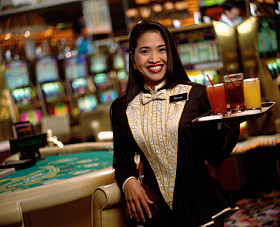
Did You Know That In Nevada Alcohol Education Cards Expire After Four Years?

Over 200,000 hospitality and service workers are employed in Clark County, most whom are required, by state law, to receive Alcoholic Beverage Awareness Training and carry an Alcohol Education Card. The Alcoholic Beverage Awareness Training Program is required for those who serve/sell alcoholic beverages or provide security services in casinos, restaurants, bars, clubs, and grocery/convenience stores in Clark and Washoe County. Many establishments also require anyone who handles alcoholic beverages and their managers and executive staff to carry cards.

The State of Nevada passed a law on July 1, 2007 which requires card holders to renew their training and be issued a new card every four years or four years from the date of issuance (testing). Thousands of cards have been issued over the years in the State of Nevada and may have invalid expiration dates from a former Clark County law that required training and card renewal every five years. 

Therefore, anyone who works in the industry and carries an Alcohol Education Card for their job should check the date that their card was issued. Cards issued by approved providers in 2005, 2006, and the first half of 2007 are either already expired and need to be renewed or will be up for renewal sooner than the expiration date that is shown on the card.  If it’s been more than four years, then it is time to take the training again and get a new card.

Important points as you consider how this information affects you:

  • Providers of the Alcoholic Beverage Awareness Training program and Alcohol Education Cards must be approved through Nevada’s Commission on Postsecondary Education. Cards issued by providers and provider locations not on the approved provider list could be deemed invalid.
  • If an auditor asks to see your card and it is expired, your employer (the licensee) could end up facing civil fines ranging from $500 to $5000 depending on the number of infractions. Your employer could fire you for not having a valid Alcohol Education Card. Keep in good standing with your employer and avoid potential job loss by making sure that your card is valid and up-to-date.
  • Training can be taken online if the provider has an approved online program.
  • All students must physically go to the provider’s approved school location to take an exam that is proctored and pass the proctored exam with a score of at least 75%.
  • Some employers have preferred providers that offer corporate discounts. Check with your employer before you register.
  • The program must be approved by the Commission on Postsecondary Education and should be no less than 3½ hours in duration, covering topics as specified for the approved program.

Applicable laws and sources of information can be found through the following URLs:

© 2010 National Hospitality Institute®, TAM® of Nevada