
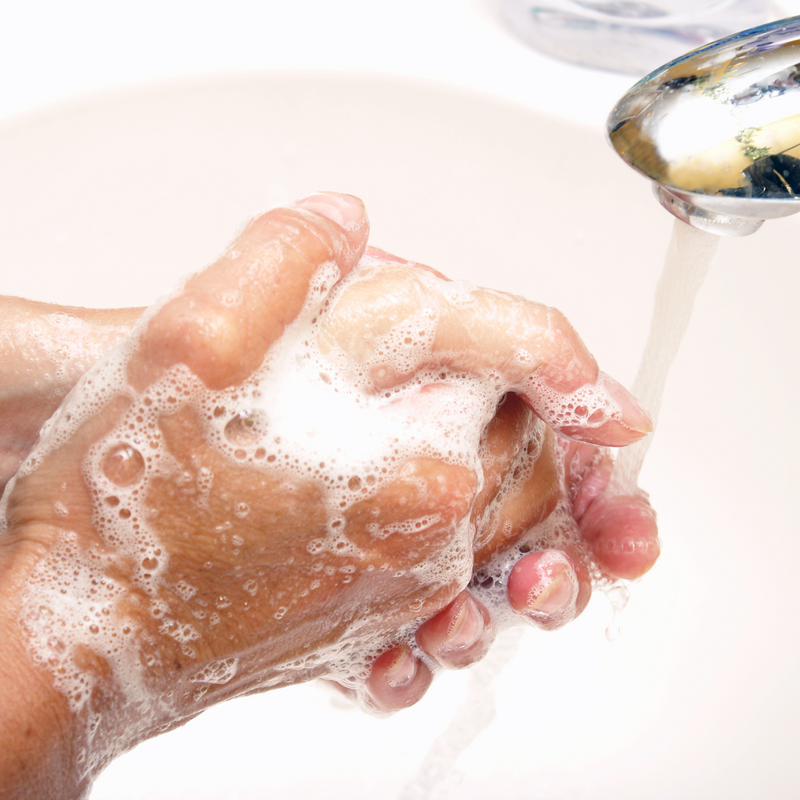
 Do you make sure to always use proper hand-washing procedures at work? What about making sure that dirty dishes don’t pile up in the sink? Service industry professionals and dining establishments alike have a responsibility to make sure their places of business are clean for the health and safety of their staff and customers. Nothing can tarnish the reputation of an establishment more than a poor letter grade, a shutdown from the health department, or a rash of food-borne illnesses linked back to your business. When customers stay away, servers and bartenders lose out big on income and tips. So, it is in your best interest to make sure you are promoting a healthy establishment.
Businesses everywhere need to practice cleanliness and sanitation, but Nevada in particular does an excellent job of staying on top of the issue. KTNV ABC Action News 13 recently ran a report on the poor cleanliness practices at HK Star, a restaurant in Las Vegas’ Chinatown district, which would make just about anyone think twice about dining out. According to KTNV, the restaurant, “recently received 32 demerits and a “C” grade after a visit from the Southern Nevada Health District.” (KTNV News). Their violations ran the gamut from improper hand washing techniques by their employees, to meat left out to defrost at room temperature. Since the report, HK Star has made some changes and brought their status back up to an “A” grade, but the damage to their reputation may already be done. Would you want to eat out somewhere that historically employed lax cleaning procedures? To read KTNV’s report and learn about other restaurants covered in their ‘Dirty Dining’ section, please refer to their article, “Dirty Dining: HK Star.”
In Las Vegas, the South Nevada Health District reserves the right to drop in at any time for a surprise inspection. With that in mind, make sure you’re always doing your best to stay compliant with rules and regulations. Use common sense when it comes to cleanliness, and follow any guidelines set out by your employer.
 Here are some easy to follow guidelines:
- If you work in a food-serving establishment, make sure you have a Food Handler Health Card issued by the Southern Nevada Health District. For more information on Health cards, refer to the Southern Nevada Health District website. Also make sure you have your alcohol awareness card, you can easily obtain one from TAM of Nevada. Both of these are requirements for anyone who works in an establishment which sells food and/or alcoholic beverages. Be aware that the Southern Nevada Health District can ask to see your cards at any time, and can cite you for non-compliance.
- Always wash your hands thoroughly after using the restroom, before and after handling any raw food products, after clearing a table or taking out the trash, after sneezing or coughing, or any time after you touch something which isn’t sanitized. For instructions on proper hand washing techniques, refer to the CDC’s article, “Clean Hands Save Lives”.
- Keep your fingernails clean and neatly trimmed.
- If you have long hair, tie it back to avoid having it get into food or beverages.
- Make sure food and food storage containers are properly labeled and dated. Discard any food items which are past expiration.
- Look around and make sure all areas in the kitchen and common areas are clean and tidy. Utensils and storage containers should all be in their place, work surfaces should be wiped down, and trash containers should be emptied regularly. It only takes a minute to clean up clutter.
To learn more about South Nevada Health District’s rules and regulations for food serving and other public establishments please refer to the SNHD’s Food Establishments Regulations. And, to learn more on just how those A, B, and C grades are handed out, refer to the Las Vegas Review Journal’s concise article, “Restaurant Inspections Protect the Public.” Proper cleaning and safety practices are everyone’s job. What steps do you take to make sure you’re doing your best in cleanliness, sanitation, and public health?
Resources:
- Clean Hands Save Lives! (Center for Disease Control and Prevention)
- Dirty Dining: HK Star (KTNV News)
- Food Establishment Regulations (Southern Nevada Health District)
- Health Cards: New & Renewal Heath Card Instructions (Southern Nevada Health District)
- Restaurant Inspections Protect the Public (Las Vegas Review Journal)
© 2011 National Hospitality Institute®, TAM® of Nevada


 TAM Card® Nation in Vegas!