
 People have been mixing drinks to suit their tastes for centuries. In fact, many of the most popular and well known drinks requested by bar patrons today were first created by bartenders decades ago. Ever wonder about the history behind these classic cocktails? Being able to explain the origin of a mixed drink makes for great conversation with your patrons. The origin of many popular cocktails remains elusive, often with multiple sources claiming credit. Others can be traced back to a particular mixologist or bar. While several cocktails have more stories about their origins than ingredients in the actual drink, here are a few we can help pinpoint for you:
- Long Island Iced Tea – The history of the Long Island Iced Tea is easy to trace back to, you guessed it, Long Island! This drink was first whipped up by bartender Robert “Rosebud” Butt at the Oak Beach Inn in the mid-1970s (Chow, Wikipedia).
- Piña Colada – The official drink of Puerto Rico, made famous by Rupert Holmes’ song “Escape” (more commonly known as the ‘Piña Colada Song’), and most likely created by one of two individuals who claim credit (Chow). Depending on which account you believe, the tropical cocktail was either created by Ramon Monchito Marrero Pérez in 1954 at the Caribe Hilton, or across town by Don Ramón Portas Migot in 1963. You can read the Puerto Rico Herald’s article, “A Caribbean Tale of Two Piña Coladas,” and decide for yourself.
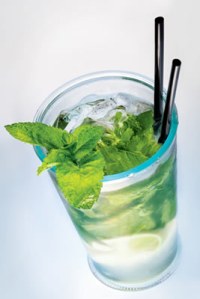
- The Mojito – This drink is popular once again, and while the exact origin can’t be confirmed, all are in agreement that its origin can be traced to Cuba, and may have first showed up around 400 years ago (Chow, Wikipedia, Bacardi). The mojito may have been popular in Cuba for many years, but perhaps its most famous fan was writer Ernest Hemingway who helped make the drink, and the Cuban bar La Bodeguita del Medio, popular among the masses.
The origin of some cocktails has become the stuff of tall tales and legends, but it certainly makes for good material to debate. What is your favorite classic drink recipe?
Resources
- Long Island Iced Tea Recipe – Chow
- Long Island Iced Tea – Wikipedia
- Piña Colada Recipe – Chow
- A Caribbean Tale of Two Piña Coladas – Puerto Rico Herald
- Mojito Recipe – Chow
- Mojito – Wikipedia
- History of the Mojito – Bacardi
© 2011 National Hospitality Institute®, TAM® of Nevada
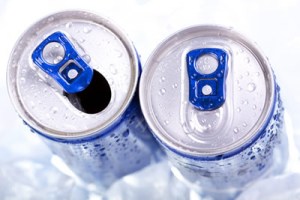 The ban on caffeinated alcoholic beverages, also called alcopop, was one of the biggest stories in the beverage service and sales industry in 2010. Popular beverages such as Four Loko were called dangerous, a binge in a can, and worse. Last November the Food and Drug Administration declared alcoholic energy drinks to be a public health concern. The FDA concluded that caffeine added to malt alcoholic beverages was an unsafe food additive (
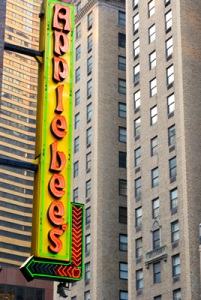 A recent news story regarding the accidental service of an alcoholic beverage to a minor is making waves, and it serves to remind us exactly why alcohol awareness education is so important. A toddler was recently served an alcohol-infused margarita mix in place of apple juice at an Applebee’s restaurant in Michigan, possibly the result of a mislabeled bottle at the bar. You can read the full story on The Detroit News’ website
 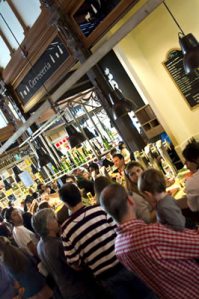 It’s a problem common to many restaurants and bars; after a stellar opening and a few months in the limelight, sales start to fall flat. There are many reasons why establishments can see a sales dip – increased competition, shifting tastes and attitudes of patrons, tired selections and décor, etc. Deborah Harris of Bar Business Magazine recently tackled this very problem in the article, “
 TAM Card® Nation in Vegas!