

Feel Like You’re Stuck in a Pressure Cooker? Managing Stress on the Job

The hospitality industry isn’t for the faint of heart. Staff members in bars, restaurants and casinos have fast-paced, high stress careers. Bartenders, servers and security personnel contend with long hours, demanding customers, high workloads and a requirement to remain cheerful and upbeat. Have patrons lined up at the bar for drinks? Do you get that sinking feeling when you see a group of 30 diners walking in the door right before closing? It’s no surprise that one might get stressed out on the job.

It can be hard to do your job with a smile when you’re being pulled in so many different directions. If you’re worried you might be headed to on the job burnout, it’s time to make some changes to how you handle stress. When the going gets tough, take a deep breath and try these tips.

Helpguide is an amazing resource for stress management information and support. They offer a multitude for tips on dealing with on-the-job stress which are helping to hospitality professionals including:

  1. Don’t over-commit yourself. If you find it hard to say no when you’re already over-extended, you might be setting yourself up for a very stressful night at work. Examine what tasks you need to complete, prioritize them, and eliminate any tasks that aren’t necessary. Don’t be afraid to ask for help if you need it. Your supervisor and coworkers are a part of your team and want to see you succeed, and your guests leave happy. Just be sure to return the favor when you can if one of your coworkers is over-extended at some point too.
  2. Resist perfectionism. One wants to always do their best work, but no one is perfect. You will drop a glass or forget an order at some point. Nothing good will come from beating yourself up over it, just breathe and realize that these things happen. You can only do your best, and you’ll do great.
  3. Flip your negative thinking. Approaching your work with a glass half empty approach is never a good idea. Sometimes it can be difficult to see the good in a difficult situation, but do your best to think positively.
  4. Find humor in a situation. Laughter is sometimes the best medicine.

For more tips on handling stress at work, you can refer to Helpguide’s website here. Sometimes you just need a minute to take deep breaths and center yourself. Taking a minute to get focused during a stressful shift is perfectly understandable. Managers and Supervisors must also be aware of the pressure their staff works under on a daily basis. Managers should refer to Nightclub & Bar’s article, “The High Cost of Bartender Turnover,” for information and ideas on keeping staff stress-free and motivated.

What tips do you have to stay calm and focused at work?

Resources

© 2011 National Hospitality Institute®, TAM® of Nevada
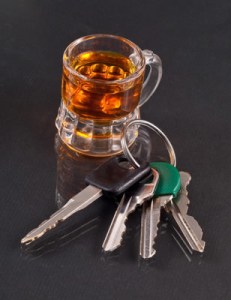
Are You Doing All You Can to Prevent Drunk Driving?

Every 30 minutes someone dies in an alcohol-related crash. And, did you know? Alcohol is a factor in 6% of all traffic crashes, and over 40% of all fatal crashes (National Safety Council). These are startling facts that one cannot simply ignore. Drunk driving is one of the most dangerous activities someone can engage in. It’s also 100% preventable.

An alcoholic beverage service professional has a legal and moral responsibility to serve alcohol responsibly, keep a close eye on imbibing patrons, and promote an alternative means of getting home if anyone appears too drunk to drive. One should make sure guests can make it home safely without injuring themselves or others.

Remember, drunk driving is always dangerous, and not just to the driver. Pedestrians, passengers and others on the road can all become victims. Recently in the early morning hours on April 28th, a woman was killed when she was hit by a suspected drunk driver on the Las Vegas Strip (Las Vegas Sun). This is another terrible reminder of the dangers of getting behind the wheel after having too much to drink.

Some people are able to ignore the facts. But remember, a victim of a drunk driver is someone’s sister, brother, mother, father, friend, coworker, etc. The Transport Accident Commission in Australia created an incredible PSA on the dangers of drunk driving which can be viewed here. This is a graphic video, but one of the most powerful PSAs we’ve ever seen at TAM® of Nevada. This video is certain to hit close to home for some, and sharing with others will help spread the message that drunk driving is never the answer.

There are a few things you can do to support and promote this message with your patrons.

  1. Complete your alcohol awareness course with TAM® of Nevada to learn about responsible beverage service. Course highlights include identifying false identification, clinical effects of alcohol, laws, rules and regulations, customer disturbances and service guidelines.
  2. Become familiar with sober driving services available in southern Nevada. Keep the number to a reliable cab company and any other sober driver services at your bar so that you can make the call whenever necessary. Companies like Designated Drivers, Inc. provide a responsible alternative to driving while impaired. A driver will be dispatched to take your patron home in their own vehicle, no worrying about retrieving their car after they sober up.
  3. If a group of guests is at your establishment and an individual within the group is becoming intoxicated, check with a sober member of their group to make sure that they have a plan to get the intoxicated individual home safely. If there is no designated driver assigned, offer to call a cab or sober driver service.
  4. Familiarize yourself with company policies when it comes to intoxicated patrons and suspected drunk drivers. Alert your manager or supervisor if you need to cut someone off, if you need them to intervene in the situation, or if you have any concerns about a guest’s safety.
  5. If you have a friend or family member that you worry may have a drinking problem, and may be at risk to drive drunk, do what you can to get them the help they need. Refer to our blog post “April is Alcohol Awareness Month” for tips on how to recognize a drinking problem, and how to help.

Drunk driving is a serious problem that can affect so many. What tips would you give someone else to help prevent intoxicated individuals from getting behind the wheel of a car?

Resources

Drunk Driving – National Safety Council

Woman, 28, accused of DUI after collision kills pedestrian on Las Vegas Strip – Las Vegas Sun

Designated Drivers, Inc.

© 2011 National Hospitality Institute®, TAM® of Nevada

Set the Tone and Increase Your Earnings with Positive Body Language

As a server or bartender, you’re often the first, and last, staff member a customer encounters. Your interactions will set the tone for the evening so you want to greet your customers warmly, and leave them reflecting on a positive experience once they head for the door. You only get one chance to make a first impression, so make sure it’s a solid one. Professionalism and competence are very important, but so is projecting a great attitude and body language.
It’s important to remember that good food, drinks and a great ambiance are not the only components to a great night out. Have you ever had poor service or a standoffish server? Experiences like this can play huge into your overall impression of an establishment. On the flipside, a positive attitude and a smile can go a long way toward making patrons feel relaxed and welcome. Not only will you put your guests into a good frame of mind, projecting a positive attitude and body language will help YOU to relax and enjoy your job as well. And, as an added bonus, positive body language and professionalism set the tone for an enjoyable evening and can net you greater tips. Here are a few easy body language dos and don’ts for hospitality workers:

  1. Smile. A smile is the first social cue your guests will pick up on, and can immediately set the tone for a positive interaction. A genuine smile conveys friendliness and a can-do attitude.
  2. Don’t cross your arms or slouch. Crossing your arms over your chest tells your customer that you’re bored, bothered or closed to them. The same thing goes for hosts and other hospitality staff, slouching over the host stand with your arms crossed is NOT the first sight your customers should see when they walk in the door; you’re showing them that you’re not having a good time and would rather be someplace else. Stand up straight and make a great impression.
  3. Pay attention and remain engaged. When taking a guest’s order, make sure you’re turned to face them and pay attention. Restaurants and bars can be loud and busy at times, but don’t get distracted and turn your gaze elsewhere. A guest wants to feel like they have your attention and an interested expression or nod to confirm you’ve heard their order is all it takes.

For even more tips on positive and negative body language, you can refer to Hcareers.com’s article, “Increase Your Tips: Professionalism and Body Language Will Earn You More Than Praise.” You can also review Hospitality Job Site’s blog post, “Hospitality 101 – The Smile and Body Language,” for even more insight into body languages cues for hospitality professionals.

Sometimes it’s the little things that make the biggest difference. What tips would you give someone to improve on their body language?

Resources

© 2011 National Hospitality Institute®, TAM® of Nevada

The Return of Four Loko – Even Without Caffeine, Still Popular with Teens

The ban on caffeinated alcoholic beverages, also called alcopop, was one of the biggest stories in the beverage service and sales industry in 2010. Popular beverages such as Four Loko were called dangerous, a binge in a can, and worse. Last November the Food and Drug Administration declared alcoholic energy drinks to be a public health concern. The FDA concluded that caffeine added to malt alcoholic beverages was an unsafe food additive (U.S. Food and Drug Administration).

What made the combination so dangerous? The FDA raised concerns that caffeine additives may have masked some of the effects consumers typically rely on to determine their level of intoxication. In fact, drinkers who consume alcohol mixed with energy drinks are 3 times more likely to binge drink than drinkers who do not report mixing alcohol with energy drinks (Center for Disease Control and Prevention). All of this was alarming enough to get these drinks pulled off of shelves, but also concerning was their popularity with teens and young adults.

Four Loko was, and continues to be, extremely popular with teens. A single can of Four Loko came in at 23.5 ounces, contained 12% alcohol, and also contained unsafe additives caffeine, taurine, and guarana. Four Loko came in much larger, and more potent, than a can of beer. In fact, concerns were raised that these drinks were marketed to appeal directly to teens (Marin Institute).

Several months later, Four Loko is back on shelves, without the caffeinated punch. The drinks have been reformulated and no longer contain additives like caffeine, but they still come in 23.5 ounce containers with 12% alcohol by volume (Omaha World-Herald). Teens may not realize they are consuming as much alcohol as they are until they are well on their way to unsafe intoxication. Four Loko still comes in fruity, teen-friendly flavors like fruit punch and watermelon. It also continues to be the drink of choice for many young people around the country (Bar Business Magazine).

What can you do as a beverage service professional to keep teens safe?

  1. Make sure that ‘alcopops’ such as Four Loko sold off-premises are displayed in areas dedicated to alcoholic beverages, not in the soft drink section. Many of these drinks can be easily confused for non-alcoholic energy drinks, and it just makes it easier on everyone involved to keep them separate.
  2. Always card anyone who appears to be under the age of 30. Retailers and off-site sales professionals should be diligent about checking IDs to make sure teenagers are not trying to purchase liquor with fake or borrowed identification.
  3. For more ways to help curb teens’ access to alcohol, read our blog post, “Teen Drinking is a Dangerous Business,” and refer to We Don’t Serve Teens’ suggestions.

What policies have you instituted at your organization to deter teen drinking?

Resources

© 2011 National Hospitality Institute®, TAM® of Nevada