
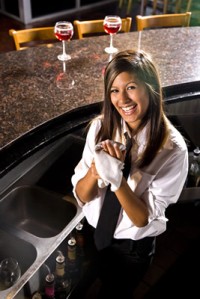
 Bartenders and servers have a tough job. They must juggle customer satisfaction and safety with fast-paced service, heavy lifting, and hot kitchens… and do it all with smiles on their faces. Given the rigors of the job, a great hospitality worker can be a rare and welcome find.
What can one do to make sure they are putting their best foot forward? Robert Plotkin of Nightclub & Bar Magazine laid out some of the cardinal rules of superior bar service in his recent article, “The 10 Commandments of Excellent Service.” We here at TAM of Nevada agree with all of these points on what makes for excellent bar service. Like we stated in our blog post, “Set the Tone and Increase Your Earnings with Positive Body Language,” making an excellent martini will only get you so far. A positive attitude, an ability to multitask, and friendly, welcoming attitude are all must-have qualities in a top-notch hospitality professional. You can read the full article here, and here are a couple more tips that we’d add to the list:
- Know the menu. Familiarize yourself with both your regular menu, as well as any specials for the day, happy hour deals, etc. Guests with dietary restrictions may have questions about ingredients or preparation, and if you can correctly and quickly answer those questions without heading to the kitchen to confer with the chef, all the better. Guests will also appreciate your tips and suggestions on what’s best if they’re deciding between a few options.
- Check in on your guests, and listen to their feedback. Dropping off a drink or meal and disappearing only to return once they’ve finished is bad form. Check back to make sure your guests are happy, and when you ask, “How’s everything?” listen to the answer. If something isn’t right, do what you can to fix it.
Hiring managers at bars, casinos and restaurants are looking for well-rounded staff members who are willing to go the extra mile to ensure guest satisfaction. Making small changes to your routine to make sure you’re treating each guest like they are appreciated and welcome is the first step toward becoming a first-rate team member in the eyes of your manager. What insider tips would you give someone looking to excel the in hospitality industry?
Resources
The 10 Commandments of Excellent Service – Nightclub & Bar
© 2011 National Hospitality Institute®, TAM® of Nevada
 As a server or bartender, you’re often the first, and last, staff member a customer encounters. Your interactions will set the tone for the evening so you want to greet your customers warmly, and leave them reflecting on a positive experience once they head for the door. You only get one chance to make a first impression, so make sure it’s a solid one. Professionalism and competence are very important, but so is projecting a great attitude and body language.
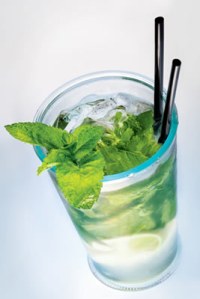 People have been mixing drinks to suit their tastes for centuries. In fact, many of the most popular and well known drinks requested by bar patrons today were first created by bartenders decades ago. Ever wonder about the history behind these classic cocktails? Being able to explain the origin of a mixed drink makes for great conversation with your patrons. The origin of many popular cocktails remains elusive, often with multiple sources claiming credit. Others can be traced back to a particular mixologist or bar. While several cocktails have more stories about their origins than ingredients in the actual drink, here are a few we can help pinpoint for you:
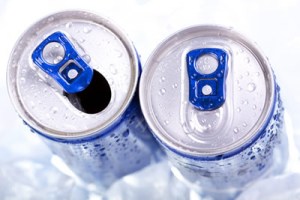 The ban on caffeinated alcoholic beverages, also called alcopop, was one of the biggest stories in the beverage service and sales industry in 2010. Popular beverages such as Four Loko were called dangerous, a binge in a can, and worse. Last November the Food and Drug Administration declared alcoholic energy drinks to be a public health concern. The FDA concluded that caffeine added to malt alcoholic beverages was an unsafe food additive (
 TAM Card® Nation in Vegas!