
Restaurant Technology – Digital Restaurant Menus Appeal to Busy Customers

tablet ordering in restaurantIt’s considered rude to browse the web on your smart phone while seated at the dinner table, but in an increasingly tech-savvy world and competitive dining industry, restaurants are breaking their own rules. Some restaurants are looking for new ways to appeal to busy consumers, and to move as many happy customers in and out of their establishments in the most efficient way. As Mitch Lipka points out in his article, “Will digital restaurant menus get you to spend more?” one method is asking patrons to get more involved in the dining out experience by ordering or viewing menus on tablet devices such as the iPad®. We here at TAM® of Nevada really enjoyed this article and are interested to see if, and how, this technology will continue to grow, especially in the Las Vegas area.

The draw of digital menus includes the benefit of being able to offer more information about menu items without worrying about taking up too much real estate on a menu page. Diners are likely to spend more money and order additional items if they can see photos to go along with dish and cocktail descriptions. Additionally, there’s an opportunity to include allergen information, or even suggested wine pairings to go along with each dish.

Increasingly tech-savvy customers are seemingly open to the new trend. According to the National Restaurant Association, 41% of consumers surveyed said they have used a computer to view menus, order food or make reservations online in the last month. Additionally, 46% said that if offered they would use a smartphone to make a restaurant reservation or place an order at a touch-screen kiosk (National Restaurant Association).

Of course as with any new technology, digital menus and ordering also run the risk of becoming a passing fad. For another opinion on this new movement, check our Michael Austin’s article for the Chicago Sun-Times, “Pour Man: iPad wine lists let your fingers do the ordering.” Do you think moving away from paper menus and into digital menus will catch on and become mainstream? Only time will tell.

Have you seen these types of programs in use anywhere yet? What do you think about allowing customers to order off of digital menus: great idea or doomed to fail once the first drink is spilled on a device?
Resources

A Recent String of DUI Crashes on Las Vegas Roads are a Cause for Concern

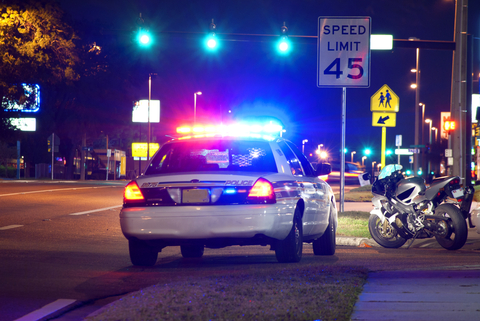
drunk_drivingOn August 1st, a suspected impaired driver struck and killed a teen driver on a motorcycle (Fox5). This marks the 59th traffic-related fatality in Las Vegas Metro Police’s jurisdiction so for in 2013, and the 12th related to impaired driving. Then, on Saturday night, an accused drunk driver caused a chain-reaction crash involving five vehicles, including a limousine carrying ten passengers (News3). While the total number of DUI arrests is down this year so far compared to 2012, each arrest is one too many. Drunk driving is a serious problem that can harm not only the impaired driver, but also others who share the roads; passengers, pedestrians, and innocent bystanders.

As a service professional, what can you do help prevent customers from driving while impaired and keep things safe? The first defense for sales professionals is a thorough knowledge of local and state laws, and mandatory alcohol awareness training from TAM® of Nevada. For more tips on how to help prevent impaired drivers from getting behind the wheel, check out our blog post “Are You Doing All You Can to Prevent Drunk Driving?

Let’s all work together to make the second half of 2013 safer for the Las Vegas metropolitan community.

Resources

© 2013 National Hospitality Institute®, TAM® of Nevada

NTSB Recommends Lowering Legal Limit on Drunk Driving from .08 to .05

drunk-drivingDrunk driving continues to be a serious problem that results in over 10,000 deaths each year on U.S. roads; that accounts for one-third of all traffic-related fatalities (CDC). In fact, The Las Vegas Metropolitan Police department reported that drinking and driving arrests were up 18% in 2012 over 2011. That works out to approximately 30 DUI arrests every day in Las Vegas. Police, beverage service professionals, and community agencies work together each year to combat the problem through a mix of education, safe beverage service, sobriety checkpoints, decoy operations and more. But, could more be done to keep impaired drivers off of the road?

On Tuesday, the National Transportation Safety Board made a recommendation that states lower the legal blood alcohol concentration limit from .08 to .05 for driving a vehicle in an effort to further reduce crashes (Las Vegas Sun). In 2000, Congress passed a measure that required states to lower the legal limit to .08 by 2003 to avoid losing a portion of their federal highway construction funding. The legal limit for intoxication in Nevada has been set at .08 since 2003.

The new NTSB recommendation is drawing mixed reviews from various groups and individuals across Nevada (Action News 13) but it does get people talking about the issue and draws attention to the dangers of buzzed and drunk driving. Arguments have also been made that the focus should instead be placed on tougher restrictions for repeat DUI offenders and those with BAC’s of .10 or higher.

No matter where you stand on the issue of a change to the legal BAC limit for driving a vehicle, it is important to always practice the Techniques of Alcohol Management®. Do your part to serve responsibly and monitor your patrons closely for signs of intoxication. For more tips on how to help prevent impaired drivers from getting behind the wheel, check out our blog post “Are You Doing All You Can to Prevent Drunk Driving?

Do you think a lower legal BAC limit would help to reduce drunken driving-related crashes? What tips would you give someone else to help prevent intoxicated individuals from getting behind the wheel of a car?

Resources

© 2013 National Hospitality Institute®, TAM® of Nevada

Serving Alcoholic Beverages in a Limo or Party Bus? TAM Cards are required.

Tourists and locals alike often rely on chauffeurs to transport them in limousines, sedans, and party buses for a variety of events and special occasions. Even if limo drivers and transportation companies cannot sell alcoholic beverages, in many cases passengers are permitted to bring their own drinks, and drivers will be responsible for carefully monitoring passengers. In the regular course of business, drivers may find themselves pouring glasses of champagne or other alcoholic beverages for passengers on airport pickups, nightclub crawls, chartered tours of the Las Vegas strip, wedding and bachelor parties, and more. If you work in a position where you may serve alcoholic beverages to passengers, you are required by Nevada state law to complete alcohol awareness training and obtain a TAM® Card.

Party buses and limousines are often times equipped with neon and strobe lights, televisions, and surround sound, all of which contribute to a fun and exciting atmosphere. Passengers are in a celebratory mood, and limo drivers have the responsibility of not only safely transporting them to their final destinations, but also making sure they are not over-served or otherwise behaving inappropriately. The recent death of a party bus passenger in New York serves as a reminder that safety is of the utmost importance and that drivers must remain vigilant (Las Vegas Sun). Always follow company policies and procedures when it comes to guest safety and make sure your passengers are aware of any necessary rules and safety regulations.

You can make sure that your passengers are having an enjoyable time, are served responsibly, and remain respectful of the vehicle and others. To learn more about safe beverage service, take the Techniques of Alcohol Management (TAM)® course offered by TAM® of Nevada.

Have you worked as a chauffeur in Las Vegas? What advice would you give to others for keeping passengers safe?

Resources

Teen’s Death on Party Bus Serves as a Warning – Las Vegas Sun

© 2012 National Hospitality Institute®, TAM® of Nevada