
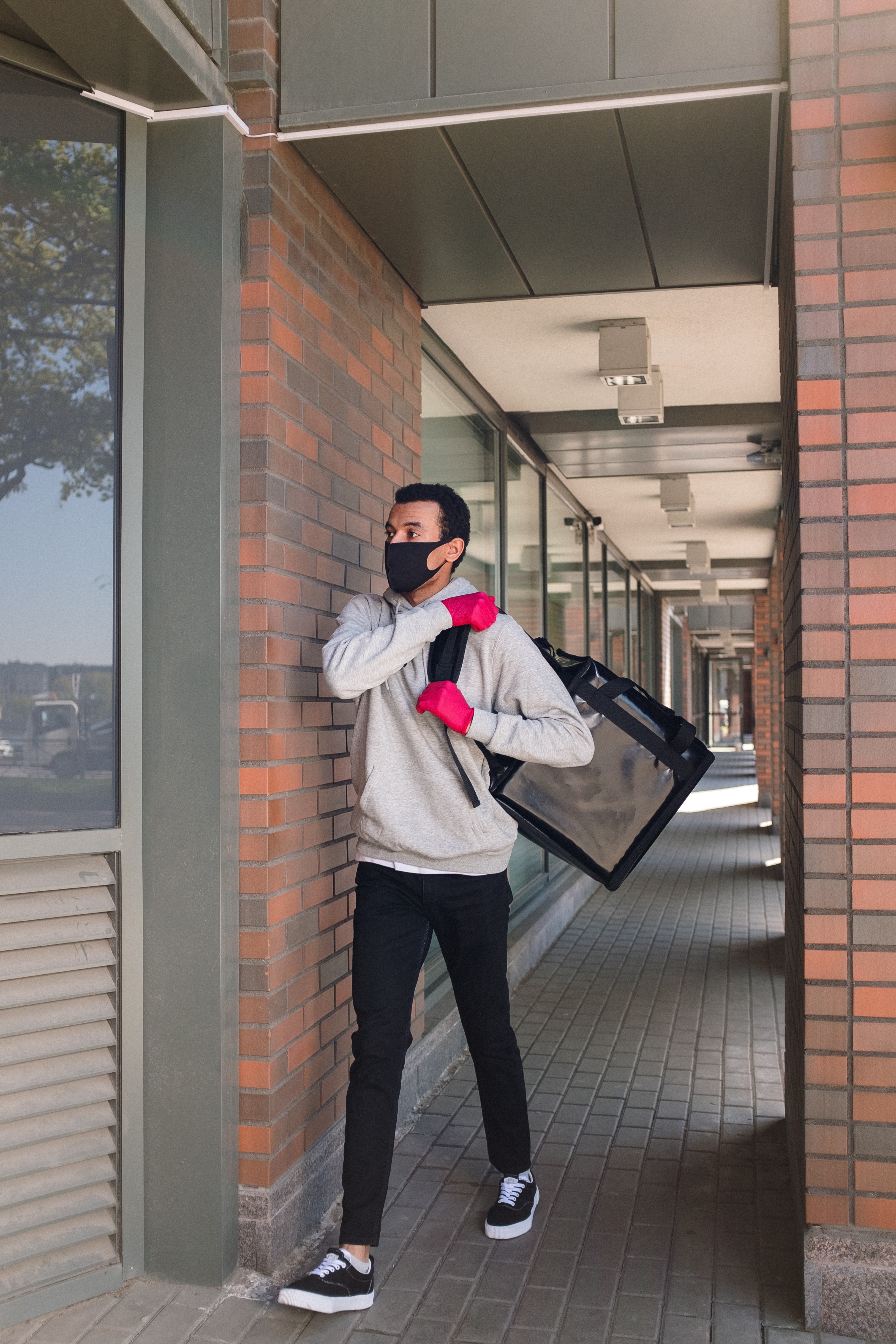
Las Vegas restaurants and convenience stores can now use third-party delivery services like Postmates and Uber Eats to deliver alcohol to their customers. The new law takes effect on Sunday, January 30, 2021. Businesses struggling under the strain of COVID restrictions will now have another avenue to boost revenues. Restaurants and bars can use this change to enhance their menus. For example, providing unique cocktail options that set them apart from liquor stores.
Are you planning to offer alcohol liquor delivery service from your business? Make sure you know all of the rules.
- The law states that all delivery drivers MUST complete mandatory alcohol awareness training and get their TAM Card®. Drivers will be responsible for checking ID’s for age and verifying addresses upon delivery.
- The only place to get a real TAM Card® is www.tamnevada.com.
- Delivery drivers must be 21 years or age or older.
- Delivery to hotels and casinos is not allowed.
If you’re a delivery driver and still need to get your TAM Card, you still have time! The official alcohol awareness course is available online 24/7 at www.tamnevada.com. After you complete your online training, visit the TAM® of Nevada office at 2310 Paseo Del Prado, A106, Las Vegas, NV 89102 to pick up your official TAM Card.
The only official TAM office in Las Vegas is open for business six days a week to issue TAM Cards. Our business hours are 8:30am-5:00pm Monday through Friday and 9:00am-12:30pm on Saturday. We look forward to seeing you soon
 We’ve gotten a lot questions from our students about the new rules for restaurants selling beer and wine to-go during the pandemic. As the COVID situation continues to evolve, some Nevada communities are allowing some temporary exceptions to their alcohol sales rules.
 If you’ve taken your TAM® training, you know that a standard serving size for alcoholic beverages refers to 12 ounces of beer with 5% alcohol, 5 ounces of wine with 12% alcohol and 1.5 ounces of 80-proof spirits, which are 40% alcohol by volume. Knowledge of these standard serving sizes is very important, and can be helpful when you are observing patrons for increasing signs of intoxication. You can estimate how much alcohol they have consumed. However, it has become increasingly common for wine and beer to have a higher than standard amount of alcohol by volume.
 Imagine this: you are serving beverages to customers, just like any other day. A younger couple visits your establishment and orders two pints of beer. You size them up and they seem sober and confident, but they look like they might be a little young. Think fast – what do you do? Ask to see I.D., or make the sale and send them on their way? If you chose option number two, you would have failed the test.
 TAM Card® Nation in Vegas!