
A Reminder about Responsible Beverage Service

The City of Reno Has Suspended Alcohol Licenses for Several Businesses for Selling Alcohol to Minors.

In an effort to stop the sale of alcohol to minors in the Reno area, the City of Reno and the Reno Police Department have worked together to suspend liquor licenses for sixteen area businesses after conducting compliance checks and decoy operations (KTNV). The Reno Police Department’s Street Enforcement Team routinely conducts decoy operations and checks for alcohol awareness cards, and these suspensions are an extension of the work they are doing to protect local teens, and the rest of the community. These events should serve as a reminder to hospitality professionals and service workers that it is imperative to always check identification when serving or selling alcoholic beverages. Discussion with some of our TAM® Students about this news has resulted in some great reminders that we’d like to pass on to others regarding ID checking.

  • Become TAM® certified and make sure that your alcohol awareness training is up to date. TAM® will train you on how to correctly check identification and how to spot fake, borrowed, or altered ID. Also remember that TAM® Cards expire after four years, contact TAM® of Nevada if you need to renew your training. Officials may ask to see your alcohol awareness card during an alcohol compliance check.
  • Check ID closely – When checking the birth date of a customer, don’t rely only on the birth year to confirm someone is of legal drinking age. Also check the birth day and month on a license to guarantee you are serving legally! Minors may try to pull a fast one on busy or distracted service workers by purchasing alcohol just short of their 21st birthdays. For more tips on ID checking, visit our blog post, “Are Minors Using Fake IDs and Sneaking Past You?
  • A hole punched into a driver license renders it invalid for identification purposes. As explained by a representative at the DMV Office, the Nevada Department of Motor Vehicles may hole-punch driver licenses and identification cards in order to make them easily identifiable as invalidated. This can occur when someone renews their license, transfers an out-of-state license, or a variety of other scenarios. The DMV will mail the new license to the individual within 10 working days, so this is just a temporary situation for license holders. When an identification card is invalidated at the time of license renewal, the DMV will issue a temporary paper document with information matching the punched-out driver license. Please note, the interim document for a driver license or an ID card only serves as a confirmation that the application is pending; it is not a form of identification (Nevada DMV). Check with your employer for company policy on acceptable ID policy. Each business must decide if the interim document, along with an invalidated driver license or ID card, will be accepted for cashing checks, buying liquor, and other transactions (Nevada DMV). In cases such as this, establishments may wish to err on the side of caution and request another form of valid identification such as a passport or military ID.

What are some tricks that you’ve seen used by fake ID holders? How else do you think service workers can help curb teen drinking?

Resources

© 2012 National Hospitality Institute®, TAM® of Nevada

 

A Growing Trend – Teens Drinking Hand Sanitizer

There is an alarming new trend cropping up among young people across the country. Teens looking for a quick buzz are turning to internet videos and gossip from friends to learn about ways to distill and consume the alcohol in hand sanitizer products. Many teens take on the attitude that they are young and invincible, nothing bad will happen to them. Unfortunately, with risky behavior such at this, hospitals are seeing an increase in the number of young people being treated for alcohol poisoning, and doctors are concerned this may become a growing, and dangerous fad.

Liquid hand sanitizer is the latest in a string of household products groups of teens are using to get drunk, and it has public health officials and parents concerned. A few squirts of hand sanitizer could equal a couple of shots of hard liquor. Liquid hand sanitizer is 62-65% ethyl alcohol, or ethanol, the main ingredient in beer, wine and spirits, making it 120-proof. To compare, a bottle of vodka is 80-proof (ABC News). With recent reports indicating that more than 50% of of 18-20 year olds in Nevada have engaged in underage drinking within the past month, this is definitely a trend that health officials, parents, and servers and sellers of alcohol should be aware of the dangers of, and working to spread the word about (SAMHSA).

Hand sanitizer isn’t the only over the counter product that can be dangerous when used incorrectly. Common over-the-counter drugs can contain up to 10% alcohol. Cough syrup and laxatives may have some of the highest alcohol concentrations, and are readily available to young people (NIAAA). Some pharmacies and retailers have moved select cough suppressants and other drugs behind the counter, but retailers should remain vigilant about responsible sales of both alcohol and over the counter medications and always follow company policies and procedures, and local and state laws, for such sales.

Also keep in mind, that teens aren’t the only group that is susceptible to risky behaviors with over-the-counter and household products. Alcohol and drug interactions are another common problem to be aware of, and customers could inadvertently be at risk for adverse effects. Make sure to read our blog post, “Risky Business – How to Spot & Deal with Alcohol-Drug Interactions,” for more information on how to handle such situations.

Resources

© 2012 National Hospitality Institute®, TAM® of Nevada

 

A Dangerous Cocktail – With Prom and Graduation around the Corner, Be Vigilant About Teen Drinking

TAM®-certified hospitality professionals know to always be alert and check IDs year round. However, they should be extra vigilant about preventing teenage drinking going into the spring party season. With both prom and graduation around the corner, some teenagers will be trying to obtain alcoholic beverages through a variety of methods including using fake or borrowed IDs, asking other patrons to purchase liquor for them and even stealing alcoholic beverages when they think no one is looking.

Peer pressure is a constant concern among young people. Teens want to fit in, and alcohol is not only easily accessible to many, it can also contribute to the party atmosphere at end of the school year celebrations. A report from the Substance Abuse and Mental Health Services Administration indicates that 51% of 18-20 year olds in Nevada have engaged in underage drinking within the past month, and 36% have engaged in binge drinking within the last month (SAMHSA). What can you do to help prevent underage drinking and keep things safe?

Reduce the availability of alcoholic beverages to underage drinkers by checking identification carefully or for anyone who appears to be under the age of 30. Always be vigilant about checking identification. Completing your alcohol awareness training with TAM® of Nevada will teach you tips and techniques for spotting fake or borrowed identification.

Off-premise sales professionals should also remain vigilant about alcohol sales. Make sure that ‘alcopops’ such as Four Loko which are popular with teens and sold off-premise are displayed in areas dedicated to alcoholic beverages, not in the soft drink section. Many of these drinks can be easily confused for non-alcoholic energy drinks on quick glance, and it just makes it easier on everyone involved to keep them separate.

A new study suggests that approximately 25% of teen drinkers obtain alcohol from a parent or other family member (MADD). Clerks and cashiers don’t necessarily know that if they sell beer and liquor to a legal adult, the adult won’t provide that liquor to teenagers, but using your best judgment and following store procedures will help to keep things safe and legal. Remember to report any suspicious behavior or activity among patrons to your supervisor or manager.

Be an example to others by promoting safe beverage policies. You can set an example among your coworkers and young people by making it clear that you think underage drinking is NOT ok. In addition to checking identification and keeping a close eye on all patrons, also consider displaying signage in your store or bar announcing that purchasers of alcohol will be carded.

What policies have you instituted at your organization to deter teen drinking?

Resources

© 2012 National Hospitality Institute®, TAM® of Nevada
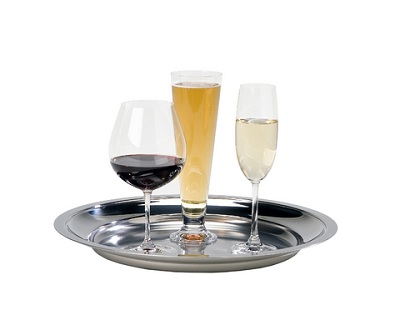
Making Safe Choices – April is Alcohol Awareness Month

We here at TAM® of Nevada like to promote alcohol awareness and responsible drinking year round. However, we’re happy to help spread the message that April is Alcohol Awareness Month. This is an opportunity to raise awareness of alcohol abuse and encourage people to make healthy, safe life choices, as well as to highlight the role that servers and sellers have in protecting their communities. Good judgment and knowledge of the Techniques of Alcohol Management (TAM)® are crucial qualities in a service professional; and Alcohol Awareness Month is an opportunity for you to showcase your training!

This month, we encourage you to take this time to educate yourself, your bar patrons, and your loved ones about the dangers of alcohol abuse. In Nevada alone, of the 257 traffic fatalities in 2010, 69 of them, or 27%, involved alcohol-impaired driving (NHTSA). This is an unacceptable number, but you can help make a difference, and possibly save lives, by practicing responsible beverage service. Bartenders, waiters and anyone else who serves alcoholic beverages have a legal and moral responsibility to serve alcohol responsibly, keep a close eye on their patrons, and promote an alternative means of getting home if anyone appears intoxicated. For tips on what you can do to reduce the chance your patrons will be involved in impaired-driving accidents, read our blog post, “DUI-Related Traffic Deaths Up This Year in Southern Nevada – Are You Doing All You Can to Help Prevent Drunk Driving?

Remember that the goal of Alcohol Awareness Month is to not only increase public awareness, and work to reduce impaired driving, but to also aim at reducing the stigma that too often prevents individuals and families from seeking help if they have a drinking problem. One should never be afraid to ask for the help they need. One can ask for help from a friend, family member or doctor if necessary.

This month, reflect on your own habits and those of your patrons. Do you recognize the signs of alcohol abuse and binge drinking in yourself or others? If you are drinking too much, you can improve your health by cutting back or quitting. Keep track of how much you drink, avoid places where overdrinking occurs, and find new ways to deal with stress. If you are concerned about someone else’s drinking, offer to help. In fact, many drinkers are not aware that they are misusing or abusing alcohol. According to the National Institute on Alcohol Abuse and Alcoholism, drinking more than 4 drinks on any day or more than 14 drinks per week for men, or more than 3 drinks on any day or more than 7 drinks per week for women is considered “at-risk” or “heavy” drinking (NIAAA).

How will you promote safe choices and alcohol awareness this month?

Resources

© 2012 National Hospitality Institute®, TAM® of Nevada