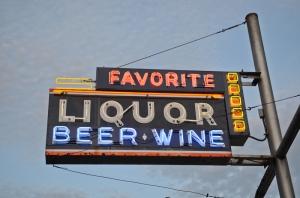
 Alcohol enforcement activities used to limit youth access to alcohol, everything from hospitality workers checking I.D. to police personnel enforcing the law and making arrests, are critical to reducing underage drinking and its often tragic consequences. One of the most problematic enforcement scenarios for sales professionals are third-party sales of alcoholic beverage products. In fact, research indicates that 30-70% of alcohol outlets may sell to underage buyers, depending partially on their geographic location (OJJPD).
A third-party sale occurs when an adult buys alcohol for someone underage, from a commercial establishment, for his or her underage consumption. In some cases, the adult will ask for or accept a fee and/or a portion of the alcohol in exchange for making the purchase. The amount of alcohol obtained by underage drinkers from these transactions can range from one drink in a bar to a keg of beer for a field party (OJJPD). A great example of this type of scenario is a teen approaching an adult stranger outside of a liquor store and asking the adult to purchase liquor for them in exchange for a small fee.
Many teens report that they most often obtain alcohol from others over the age of 21, so enforcement of third party sales must be a high priority. In fact, a report from the Substance Abuse and Mental Health Services Administration indicates that 51% of 18-20 year olds in Nevada have engaged in underage drinking within the past month, and 36% have engaged in binge drinking within the last month (SAMHSA). This indicates that teens are finding ways to obtain and consume alcoholic beverages, despite best efforts on the part of sales professionals and police.
Off-site premises workers at grocery or convenience stores don’t necessarily know that if they sell beer and liquor to a legal adult, the adult won’t provide that liquor to teenagers. But, using best judgment techniques and following store procedures will help to keep things safe and legal.
The national campaign We Don’t Serve Teens from the FTC Consumer Education section makes excellent and common-sense suggestions for helping to curb teenage drinking from off-site sales. Tips include simple procedures such as creating and maintaining sales and service policies that every staffer should follow (We Don’t Serve Teens – FTC). Everyone involved in sales should be aware of store policies regarding acceptable forms of ID, when and how to refuse a sale, etc. Other simple suggestions include:
- If you work in a commercial establishment, keep an eye on the front of the property if possible, and report any minors loitering around the entrance or parking lot to your manager or supervisor. This could be evidence of minors trying to approach customers to purchase alcoholic beverages on their behalf.
- Make sure that ‘alcopops’ and mixed, carbonated malt liquor beverages frequently sold off-premises are displayed in areas dedicated to alcoholic beverages, not in the soft drink section. Many of these drinks can be easily confused for non-alcoholic energy drinks, and it just makes it easier on everyone involved to keep them separate. As a sales professional, be extra cautious when making these types of sales. Sweet and fizzy alcoholic beverages are a favorite among teen drinkers.
- Always card anyone who appears to be under the age of 30 and make sure to observe the character and demeanor of your customer. Retailers and off-site sales professionals should be diligent about checking IDs to make sure teenagers are not trying to purchase liquor with fake or borrowed identification.
- Make sure to complete your mandatory alcohol awareness training from TAM® of Nevada. TAM® teaches thousands of off-site and on-site sales professionals how to safely and responsibly serve and sell alcoholic beverages each year, including preventing third party sales. TAM® will also educate you on important local, state and federal laws that apply to alcohol sales.
Readers: Now it’s your turn! Share your best tips and tricks for helping to stop teen drinking in the Comments section below.
Sources

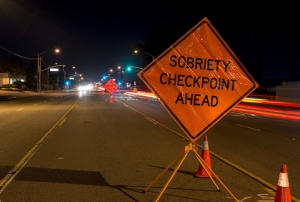 Every day, almost 30 people in the United States die in motor vehicle crashes that involve an alcohol-impaired driver, about one death every 51 minutes (
 TAM Card® Nation in Vegas!