
Tag Archives: intoxicated guests

Warning: Older Adults under Financial Strain May Be at Risk for Drinking More

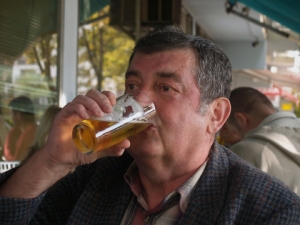
It is tough times for many Americans in today’s economy, and some people are feeling the financial strain heading in to the holiday season. And, a recent study from researchers at the State University of New York at Albany, as reported by ABC News, found that older adults, especially men and people with less education, are more likely to drink and smoke when experiencing financial difficulties. Are you prepared for the holiday blues?

As explained in the study results, older adults may be at-risk for becoming heavy drinkers due to a number of issues including stress over financial uncertainty. In fact, among study participants, men who experienced financial difficulties were about 30% more likely to begin heavily drinking when compared with men who did not have money problems.

Bartenders and service professionals may notice an uptick in the number of patrons visiting their establishments to relax and unwind around the holidays, and should remain vigilant about responsible service. If you work in or run an establishment that serves or sells alcoholic beverages, you should always take precautions to safeguard your patrons, company, yourself and your community. Let’s not forget, during the holidays, 2-3 times more people die in alcohol related crashes, and 40% of traffic fatalities involve a driver who is impaired by alcohol (NIAAA). All patrons, young and old, should be monitored for over-consumption. Make sure you are employing all of the safe service techniques that you learned during your TAM® training!

For more information on how to be prepared for selling and serving drinks during the holiday season, make sure to read our blog posts, “Big Holiday Parties Are Upon Us,” and “Beware of Binge Drinkers.” Remember, hospitality is all about creating a fun experience and maintaining a safe environment for your guests and patrons. We would love to hear from you! What recommendations do you have for keeping the holidays fun and safe for your guests this season?

Resources

© 2011 National Hospitality Institute®, TAM® of Nevada
 

Leave a Comment

Filed under Alcohol Awareness, Alcohol Sales

Are You Doing All You Can to Prevent Drunk Driving?

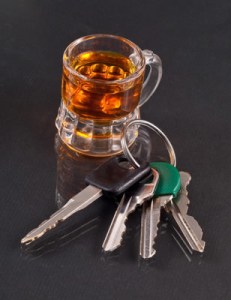
Every 30 minutes someone dies in an alcohol-related crash. And, did you know? Alcohol is a factor in 6% of all traffic crashes, and over 40% of all fatal crashes (National Safety Council). These are startling facts that one cannot simply ignore. Drunk driving is one of the most dangerous activities someone can engage in. It’s also 100% preventable.
An alcoholic beverage service professional has a legal and moral responsibility to serve alcohol responsibly, keep a close eye on imbibing patrons, and promote an alternative means of getting home if anyone appears too drunk to drive. One should make sure guests can make it home safely without injuring themselves or others.

Remember, drunk driving is always dangerous, and not just to the driver. Pedestrians, passengers and others on the road can all become victims. Recently in the early morning hours on April 28th, a woman was killed when she was hit by a suspected drunk driver on the Las Vegas Strip (Las Vegas Sun). This is another terrible reminder of the dangers of getting behind the wheel after having too much to drink.

Some people are able to ignore the facts. But remember, a victim of a drunk driver is someone’s sister, brother, mother, father, friend, coworker, etc. The Transport Accident Commission in Australia created an incredible PSA on the dangers of drunk driving which can be viewed here. This is a graphic video, but one of the most powerful PSAs we’ve ever seen at TAM® of Nevada. This video is certain to hit close to home for some, and sharing with others will help spread the message that drunk driving is never the answer.

There are a few things you can do to support and promote this message with your patrons.

  1. Complete your alcohol awareness course with TAM® of Nevada to learn about responsible beverage service. Course highlights include identifying false identification, clinical effects of alcohol, laws, rules and regulations, customer disturbances and service guidelines.
  2. Become familiar with sober driving services available in southern Nevada. Keep the number to a reliable cab company and any other sober driver services at your bar so that you can make the call whenever necessary. Companies like Designated Drivers, Inc. provide a responsible alternative to driving while impaired. A driver will be dispatched to take your patron home in their own vehicle, no worrying about retrieving their car after they sober up.
  3. If a group of guests is at your establishment and an individual within the group is becoming intoxicated, check with a sober member of their group to make sure that they have a plan to get the intoxicated individual home safely. If there is no designated driver assigned, offer to call a cab or sober driver service.
  4. Familiarize yourself with company policies when it comes to intoxicated patrons and suspected drunk drivers. Alert your manager or supervisor if you need to cut someone off, if you need them to intervene in the situation, or if you have any concerns about a guest’s safety.
  5. If you have a friend or family member that you worry may have a drinking problem, and may be at risk to drive drunk, do what you can to get them the help they need. Refer to our blog post “April is Alcohol Awareness Month” for tips on how to recognize a drinking problem, and how to help.

Drunk driving is a serious problem that can affect so many. What tips would you give someone else to help prevent intoxicated individuals from getting behind the wheel of a car?

Resources

Drunk Driving – National Safety Council

Woman, 28, accused of DUI after collision kills pedestrian on Las Vegas Strip – Las Vegas Sun

Designated Drivers, Inc.

© 2011 National Hospitality Institute®, TAM® of Nevada

1 Comment

Filed under Alcohol Awareness, Alcohol Sales, Uncategorized

The Return of Four Loko – Even Without Caffeine, Still Popular with Teens

The ban on caffeinated alcoholic beverages, also called alcopop, was one of the biggest stories in the beverage service and sales industry in 2010. Popular beverages such as Four Loko were called dangerous, a binge in a can, and worse. Last November the Food and Drug Administration declared alcoholic energy drinks to be a public health concern. The FDA concluded that caffeine added to malt alcoholic beverages was an unsafe food additive (U.S. Food and Drug Administration).
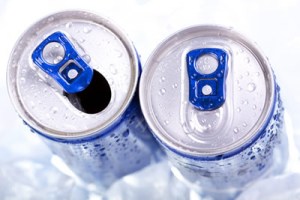
What made the combination so dangerous? The FDA raised concerns that caffeine additives may have masked some of the effects consumers typically rely on to determine their level of intoxication. In fact, drinkers who consume alcohol mixed with energy drinks are 3 times more likely to binge drink than drinkers who do not report mixing alcohol with energy drinks (Center for Disease Control and Prevention). All of this was alarming enough to get these drinks pulled off of shelves, but also concerning was their popularity with teens and young adults.

Four Loko was, and continues to be, extremely popular with teens. A single can of Four Loko came in at 23.5 ounces, contained 12% alcohol, and also contained unsafe additives caffeine, taurine, and guarana. Four Loko came in much larger, and more potent, than a can of beer. In fact, concerns were raised that these drinks were marketed to appeal directly to teens (Marin Institute).

Several months later, Four Loko is back on shelves, without the caffeinated punch. The drinks have been reformulated and no longer contain additives like caffeine, but they still come in 23.5 ounce containers with 12% alcohol by volume (Omaha World-Herald). Teens may not realize they are consuming as much alcohol as they are until they are well on their way to unsafe intoxication. Four Loko still comes in fruity, teen-friendly flavors like fruit punch and watermelon. It also continues to be the drink of choice for many young people around the country (Bar Business Magazine).

What can you do as a beverage service professional to keep teens safe?

  1. Make sure that ‘alcopops’ such as Four Loko sold off-premises are displayed in areas dedicated to alcoholic beverages, not in the soft drink section. Many of these drinks can be easily confused for non-alcoholic energy drinks, and it just makes it easier on everyone involved to keep them separate.
  2. Always card anyone who appears to be under the age of 30. Retailers and off-site sales professionals should be diligent about checking IDs to make sure teenagers are not trying to purchase liquor with fake or borrowed identification.
  3. For more ways to help curb teens’ access to alcohol, read our blog post, “Teen Drinking is a Dangerous Business,” and refer to We Don’t Serve Teens’ suggestions.

What policies have you instituted at your organization to deter teen drinking?

Resources

© 2011 National Hospitality Institute®, TAM® of Nevada

1 Comment

Filed under Alcohol Sales, Uncategorized

Are Your Safe Beverage Service Policies Working? If Not, It Could Cost You

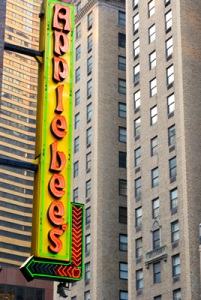
A recent news story regarding the accidental service of an alcoholic beverage to a minor is making waves, and it serves to remind us exactly why alcohol awareness education is so important. A toddler was recently served an alcohol-infused margarita mix in place of apple juice at an Applebee’s restaurant in Michigan, possibly the result of a mislabeled bottle at the bar. You can read the full story on The Detroit News’ website here.

New procedures have been put in place by the company to prevent this type of mistake from happening again, but the damage has already been done. The parents are suing, and there is a monstrous wave of bad publicity for the Applebee’s franchise. Luckily, the child who consumed the beverage and began behaving strangely is OK, but he did register a .10 BAC, more than the legal limit of intoxication for an adult driver. Worth noting and also alarming is that this is the fourth such related incident reported since 2006 for Applebee’s. This is why staff training and alcohol awareness education is so important. There are legal, ethical and moral obligations to keep patrons, of all ages, safe.

Policy changes put into place by Applebee’s include only using apple juice from single-serve containers and retraining staff on beverage pouring policies and procedures. You can read Applebee’s response regarding the event and more about their new procedures here.

As a reminder to all hospitality workers, there are a few common-sense solutions that everyone can use to make sure that patrons are receiving what they ordered, and are being served safely and responsibly.

  1. Store alcoholic and non-alcoholic beverages separately, and make sure containers are labeled properly so that bartenders and servers are aware of the contents. A pitcher may look like it contains juice or something else recognizable, but if you aren’t 100% sure of the contents, do not serve it.
  2. Double check that your guests are being served exactly what they ordered. If you deliver beverages to your guests, aside from visually inspecting the glass to make sure that they are receiving their correct beverage choice, you can repeat the beverage name to the patron upon delivery to confirm with them that they are receiving exactly what they ordered. If another staff member delivers beverages to your patrons for you, swing by to make sure the order is correct and they are happy with their beverage.
  3. Always card your guests if they appear to be under 30. Hospitality workers need to be concerned not only with incorrect orders and beverages, but also underage patrons who are trying to illegally obtain alcoholic beverages. To learn more about recognizing a fake or borrowed ID, refer to our blog post, “Are Minors Using Fake IDs and Sneaking Past You?” Most establishments also have a guidebook, like the I.D. Checking Guide, for validating various forms of identification. Ask your manager if you have a guide like this in your establishment and refer to it if needed. The I.D. Checking Guide can be purchased from TAM® here.

To learn more about safe beverage service, take the Techniques of Alcohol Management (TAM) ® course offered by TAM® of Nevada. Do you think this incident could have been prevented? What types of procedures does your establishment have in place to prevent these types of accidents from happening?

Resources

Toddler’s Alcoholic Drink Prompts Changes at Applebee’s – The Detroit News

Applebee’s Corporate Statement on Incident in Madison Heights, MI – Applebee’s

© 2011 National Hospitality Institute®, TAM® of Nevada

Leave a Comment

Filed under Alcohol Sales

April is Alcohol Awareness Month

We here at TAM® of Nevada like to promote alcohol awareness and responsible drinking year round. However, we’re happy to help spread the message that April is Alcohol Awareness Month, sponsored by the Substance Abuse and Mental Health Services Administration. This is an opportunity to raise awareness of alcohol abuse and encourage people to make healthy, safe life choices.

Drinking too much alcohol can lead to health problems, including alcohol poisoning, hangovers, and an increased risk of heart disease. 3 in 10 adults drink at levels that put them at risk for alcoholism, liver disease, and other problems, and nearly 18 million Americans have alcoholism or related problems (NIAAA). These are “sobering” numbers that heighten the role that servers and sellers have in protecting their communities.

This April, during Alcohol Awareness Month, TAM® of Nevada encourages you to take this time to educate yourself about the dangers of alcohol abuse. Good judgment and knowledge of the Techniques of Alcohol Management (TAM) ® are crucial qualities in a service professional; and Alcohol Awareness Month is an opportunity for you to showcase your training.

Alcohol abuse is a dangerous problem. This month, reflect on your own habits and those of your patrons. Do you recognize the signs of alcohol abuse and binge drinking in yourself or others? You can learn more about the dangers of alcoholism in hospitality workers by reading our blog ‘Warning – Hospitality Workers May Be at Risk for Alcohol Abuse,” and learn more about spotting binge drinkers by reading out blog, “Beware of Binge Drinkers.”

If you recognize a drinking problem in yourself, a loved one, or a customer, it is time to take action by making changes in your life, or making suggestions to others on ways to get help. The National Institute on Alcohol Abuse and Alcoholism has published a helpful guide titled, “How to Cut Down on Your Drinking,” to help you form an action plan to tackle the problem. Some of their tips to cut down include:

  1. Avoid temptation at home. By keeping little or no alcohol around at home, you won’t be tempted to overindulge.
  2. Learn how to say no. It may not be easy to be around other people who are drinking without imbibing yourself, but learning how to politely, but firmly say no can be empowering. You should let people know you’re trying to cut back or quit, and stay away from anyone who pushes you to drink.
  3. Keep busy with other activities. Find a hobby or activity that you enjoy and focus your energy on staying active doing something that doesn’t involve drinking.

Finally, remember one should never be afraid to ask for the help they need. One can ask for help from a friend, family member or doctor if necessary. How will you promote safe choices and alcohol awareness this month?

Resources

© 2011 National Hospitality Institute®, TAM® of Nevada

Leave a Comment

Filed under Alcohol Awareness, Alcohol Education Cards

Wine Tasting with Your Groceries? Whole Foods Invites Customers to Sample the Selection

Alcohol awareness training isn’t just for bartenders and servers in Nevada. Grocery and convenience store clerks and cashiers in Clark and Washoe Counties are also required to obtain their TAM® Cards (Nevada Revised Statutes). Off-premises liquor sales account for a major chunk of sales in Nevada, and employees of these establishments need to be just as familiar with the Techniques of Alcohol Management® as those who are serving drinks to bar patrons. Given this, Nevada off-premises professionals are already in a great position to support a move to bring bars into one of its upscale grocers… if Whole Foods brings this new feature to its Nevada locations! That’s right, the upscale grocer known for organic and locally sourced items is looking to expand its offerings in an effort to entice customers to stay longer, enjoy the selection of goods, and boost sales of beer and wine.

According to an article by Bruce Horovitz in USA Today titled, “Whole Foods Tests Bars Selling Craft Beer and Local Wine in its Stores,” Whole Foods has made the decision to open bars in about a dozen of their locations across the country serving craft beer and local wine. If the response from thirsty shoppers is positive, chances are good that even more locations across the country will start offering this service. While Whole Foods isn’t trying to compete with traditional bars, it’s clear they think this service will appeal to their niche market.

What do you think about this surprising move by Whole Foods? Do you think grocers are inviting trouble by allowing their shoppers to linger in the store over a glass of wine? According to spokeswoman Kate Lowery, Whole Foods certainly isn’t worried about a rowdy crowd. They’ll be checking I.D. when necessary and monitoring guests, just like any other bar. Kudos to Whole Foods for exploring this new bartending market! Read more of Bruce Horovitz’ article here.

Resources

© 2011 National Hospitality Institute®, TAM® of Nevada

1 Comment

Filed under Alcohol Sales, Uncategorized

Keep Things Safe, Don’t Over Serve – Warning Signs a Guest May Be Becoming Intoxicated

Servers, bartenders and anyone else responsible for service and sale of alcoholic beverages has a very important job on their hands… knowing how to spot an inebriated guest, and knowing when to intervene. As a server, it’s important to make sure that your guests and patrons are having an enjoyable time, are served exactly what they ordered, and remain respectful of the establishment and others. On top of all of this, it’s imperative to watch for any warning signs that they may be intoxicated. As such, a bartender or server should always be closely monitoring their guests.

To learn the warning signs to watch out for take the Techniques of Alcohol Management (TAM)® course offered by TAM® of Nevada.

Good judgment, a strong moral compass and knowledge of the Techniques of Alcohol Management (TAM)® are all crucial qualities in a service professional; we have a strong obligation to make sure guests are well taken care of, and can make it home safely without injuring themselves or others.

What warning signs do you watch for when you are working? How do you handle situations involving intoxicated patrons?

© 2011 National Hospitality Institute®, TAM® of Nevada

Leave a Comment

Filed under Alcohol Education Cards, Alcohol Sales, Requirements

Who Can You Legally Refuse to Serve or Ask to Leave? Know Your Rights!

Every service professional dreads having to cut off a belligerent customer; it’s almost a rite of passage that every server or bartender must go through in their career. But, what happens if you need to refuse service for another reason? Who can you legally refuse to serve or ask to leave? Not only are the laws regarding right to refuse service complicated and varied by location, but private businesses can have their own additional rules and regulations. Complicated as it can be, it’s important that you know your rights. Beverage alcohol is a regulated substance and society has placed a significant responsibility on the server to dispense it properly.

First, let’s get the obvious out of the way. In Nevada, you have a legally protected right to evict from your premises, “anyone who acts in a disorderly manner, or who destroys the property of any such owner or keeper, or who causes a public disturbance in or upon such premises.” (Source: Nevada Legislature).

Given this, there are a number of legitimate situations in which an establishment can refuse service, including, but not limited to:

  • drunkennessPatrons who are excessively rowdy or harassing other customers.
  • Binge drinkers, over-consumers and already intoxicated individuals.
  • Patrons that would overfill legal capacity if let in.
  • Patrons accompanied by large groups of non-paying customers who will fill up excessive space that could be used by other paying customers.

However, beyond this things start to get tricky. As a matter of law, you must always respect people’s civil rights. It is against the law to deny service based on protected classes such as “race, color, religion, national origin, disability or sexual orientation.” (Source: Nevada Legislature). Additionally, Nevada law mandates that you cannot refuse service to a person who requires the assistance of a service animal such as a seeing-eye dog. (Source: Nevada Legislature). Outside of any type of discrimination, within a private business establishment such as a bar or casino, it is up to the establishment’s discretion who they do and do not do business with.

Remember, bartenders and servers need to be concerned not only with the behavior or state of their direct customer, but how they can effect or interact with others around them. For example, it could be dangerous to allow a small child to linger in a bar or casino – what if they were knocked over by someone carrying a tray of drinks or caught in the crosshairs of a bar fight? In Nevada, a business that sells alcoholic beverages can be fined for allowing a minor to linger in the building. People have been escorted out of establishments for all types of unique situations including:

  • Excessive personal hygiene issues (foul body odor).
  • Minors in the company of adult caretakers in a bar or pub area.
  • Pregnant women in a rowdy bar or pub area.

What does this mean for you? Always check your employee handbook or company policies regarding refusal of service to see how your employer handles these types of situations. You need to be aware of both company policies and laws specific to your community. You may have to report any disruptive behavior or anything that makes you uncomfortable to a manger before cutting off a patron or asking them to leave. There may even be rules dictating that the person is escorted safely off of the property.

Also, keep in mind that asking a customer to stop drinking or leave is not always good for business. Recently, as reported in the Chicago Tribune in the article, “Pregnant Woman Says She Was Kicked Out of Bar,” there was a case in Illinois involving a pregnant woman (who was not consuming liquor) being asked to leave a bar because she was viewed as a potential liability. The woman left, as asked; but, she was embarrassed by what had happened. Now, the bar is going through a wave of negative publicity (and a lawsuit may follow). A good rule of thumb is to always use your best judgment in doing what you can to maintain a positive and safe atmosphere.

Have you ever refused service or asked someone to leave? What happened?

Resources:

© 2011 National Hospitality Institute®, TAM® of Nevada

4 Comments

Filed under Alcohol Sales

Risky Business – How to Spot & Deal with Alcohol-Drug Interactions

Cold and flu season is upon us. Pharmacies and doctors’ offices alike are filled with people picking up antibiotic prescriptions and over-the-counter products to fight their symptoms. However, a cough or cold won’t always stop someone from going out with friends or family for dinner and drinks. Unfortunately, mixing alcohol and medications can be harmful and dangerous.

Complications caused by drinking-and-drug interactions sent 524,000 Americans to hospital emergency rooms in 2008 alone for treatment (View Source). As a server or bartender it’s not only important to be aware of the risks associated with mixing drugs and alcohol, but also how to spot this risky behavior in your bar and restaurant patrons.

Medications used to treat allergies such as Benadryl and other antihistamines can cause drowsiness, clumsiness or lightheadedness. One should be aware that mixing antihistamines with a few drinks can greatly increase these effects and make it dangerous for driving and may cause the patron to show signs of intoxication much quicker, which could result in disturbances, undesirable behavior or fights.

Over-the-counter (OTC) drugs aren’t the only drugs that can have risky interactions with alcohol. The same holds true for a multitude of prescription drugs including antibiotics, anticoagulants and antidepressants. Effects can range from headache and vomiting to lasting results such as liver damage and risk of overdose.

As a bartender or server, there are a few easy steps you can take in your establishment to help protect against potentially disastrous outcomes associated with drug and alcohol interactions. Every medicine is different, and while only a doctor or pharmacist can definitively gauge the risks and possible interactions in any one individual, there are certain things you should watch for to spot any patrons who may be dangerously mixing medications and alcohol.

  • Keep an eye out for any patrons who are displaying cold symptoms such as coughing, sneezing, or watery eyes. If you notice someone that sounds congested, you can approach them in a conversational way to find out if they are taking something for their cold or flu. You might say something like, “It sounds like you are feeling under the weather. Everyone at my house has been fighting something lately. Have you been sick for a while?” Or maybe, “So, it’s just starting, huh? We’ve been going through the medicine at our house to find something that works. Have you been taking anything for your symptoms?”
  • If the patron is willing to engage in conversation, you could casually remind them that some cough and cold medicines can interact with alcohol, and that they should read the packaging on their medicine to check for any warnings. One example would be, “How is that Dayquil working for you? I might try that next time I get sick, does the packaging list any side effects to mixing it with alcohol? I sometimes have a glass or two of wine with dinner and like to make sure there is no risk in mixing the two.” This may spur the patron to think about how their own alcohol intake can be effected by their medication – sometimes a friendly reminder is all it takes.
  • While every drug is different, warning labels on many common OTC medications indicate that side effects can occur if one ingests 2-3 alcoholic beverages a day with medicines. As such, watch your customers and keep track of any excessive drinking (in this case, more than one or two drinks) if you know or suspect they are mixing. You should encourage your customer to eat, bring them a glass of water with their alcoholic beverages, and maybe suggest a low or no-alcoholic beverage instead.
  • If you suspect that your patron may have mixed medications to the point of concern or possible interaction, you should treat them just as you would with someone who has had too much to drink. Alert your manager or supervisor so that they can intervene if necessary.
  • If your customer moves into the ‘danger zone’ and you need to stop alcohol service, remain calm and express concern for their safety when letting them know you need to cut them off.
  • Offer to call them a cab if they appear to be drowsy, unfocused or clumsy in their movements. A person in this state is in no condition to get behind the wheel of a car. Read more about you right and obligation given a certain set of circumstances to serve/sell or not to serve/sell in our blog post, “Are You Committed to Public Safety?”

Alcohol and drug interactions are a risky business that can easily be avoided with a little bit of knowledge and forward thinking. Protect yourself by using common sense and reading labels the next time you drink, and share that message with those around you.

Resources:

What situations have caused you alcohol-drug interactions have you witnessed and how did you intervene?

© 2011 National Hospitality Institute®, TAM® of Nevada

1 Comment

Filed under Alcohol-Drug Interactions, Illegal Drug Use

Are You Prepared for the Holiday Blues?

During November, December and January, the holiday blues can affect many people causing them to self-medicate or turn to drugs and alcohol for relief. The odds of having drugs in your establishment are not only greater during the holidays, but also with the rise in non-medical use of prescription drugs. If you work in or run an establishment that serves or sells alcoholic beverages for on-premise or off-premise consumption, you should always take precautions to safeguard your company, yourself and your community. 

As you know, drugs bring unwanted trouble into an establishment, such as: negative press/media, violence, fights, overdoses, higher levels of intoxication, etc. Because the holiday months are peak periods for drug and alcohol use, you should pay even more attention and observe what is going on around you.

Illicit drug use is widespread. Here are some national and Nevada specific stats that are alarming and we’ve included links to pictures of these drugs so that you can identify them when you see them.

  • In 2009, an estimated 21.8 million Americans aged 12 or older were current (past month) illicit drug users, meaning they had used an illicit drug during the month prior to the survey interview. [2009 National Survey on Drug Use and Health (NSDUH)] 
  • Nevada ranks 4th in the nation in non-medical use of prescription pain relievers in people ages 18 to 25. [2006 National Survey on Drug Use and Health (NSDUH)]
  • The most commonly misused pain relievers are: Vicodin (acetaminophen and hydrocodone), OxyContin (oxycodone), Tylenol 3 (acetaminophen and codeine phosphate), and Percocet (oxycodone and acetaminophen). 
  • In the years 2002 through 2006, Nevada ranked highest in the nation aged 12 or older reporting methamphetamine use in the past year. [2006 National Survey on Drug Use and Health (NSDUH)] 
  • Marijuana was used by 76.6 percent of current illicit drug users and was the only drug used by 58.0 percent of them. [2009 National Survey on Drug Use and Health (NSDUH)] 
  • In August 2007, an NSDUH report on worker substance use indicated that 28% of full time workers (age 18 to 64) in the accommodations and food services, arts and entertainment industry had used illicit drugs in the past month.  [2007 National Survey on Drug Use and Health (NSDUH)] 

So, how can you keep drugs out without having to search and frisk everyone who comes through your doors?

  • Partner with local authorities and train your staff—Local law enforcement are your partners and can help you provide training to your employees.
  • Communicate expectations—Make sure that your new employee orientation and employee handbook covers ways to handle drugs in your establishment. Clearly state that drug use is not tolerated and give employees information about who to notify when someone (whether a guest or a colleague) is using illegal drugs on the establishment’s property.
  • Increase your security staff—Your security staff should be present, visible to your guests and well-trained in detecting the behaviors and indications of drug use.
  • Estimate BAC—Remember to calculate the BAC (Blood Alcohol Concentration) of your guests. If you notice that someone is showing the effects of the alcohol sooner than you expected, then you should be cautious as they may be taking prescription pain relievers or using some other substance.
  • Encourage reporting of suspicious behavior—You need the eyes and ears of your employees if you are going to keep drugs out of your establishment. Heighten their awareness and give them observation tips so that they are monitoring their surroundings and reporting suspicious or unusual behavior to security or management. Don’t forget to reward your employees for reporting concerns. What gets rewarded, gets repeated.
  • Post information about illicit drug use at your establishment—Hang posters about drug use and abuse and your company’s policies for illicit drug use at your establishment in restrooms and employee break rooms. 

What measures do you take to keep drugs out of your establishment?

Resources 


http://www.methresources.gov/nv.html


http://www.oas.samhsa.gov/2k7/industry/worker.htm


http://mhds.nv.gov/dmdocuments/SANSDUHStateRankings.pdf

© 2010 National Hospitality Institute®, TAM® of Nevada

Leave a Comment

Filed under Illegal Drug Use